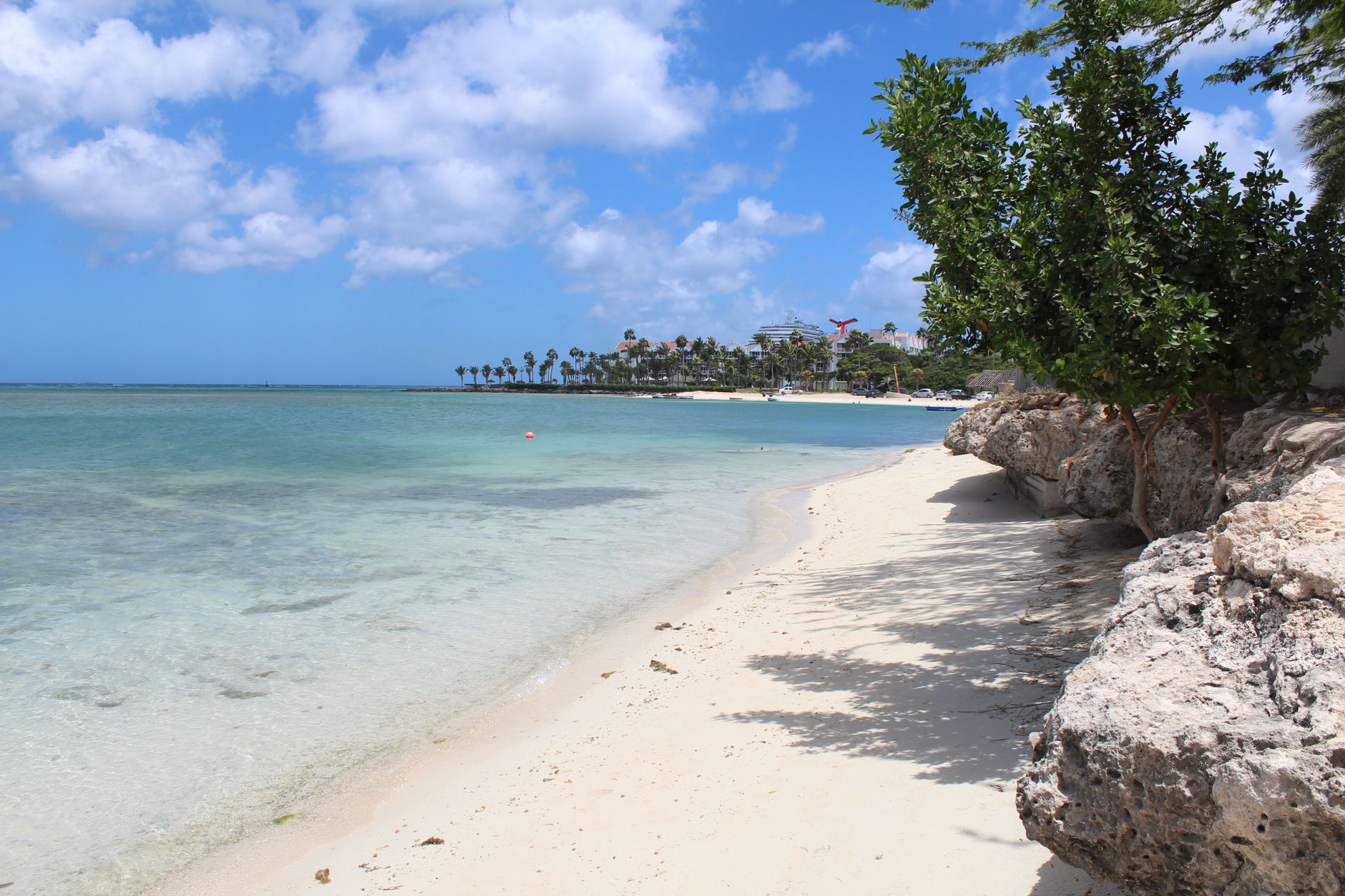
Holiday rentals in Aruba offer a self-catering base for exploring an island country in the southern Caribbean, north of Venezuela. Travellers come for white-sand beaches, watersports and warm weather, but Aruba’s identity also lies in its cactus-covered interior, Indigenous heritage and mural-painted streets. Apartments, private holiday homes and villas provide alternatives to a resort stay, with the choice of region shaping how much time you spend walking, driving or exploring beyond the beach.
Aruba
Find your place
No destinations found.
Counting…
Adults
Children
We only show places with room for everyone.
Filters
Holiday rentals in Aruba
Good to know
More about Aruba
Why stay in Aruba?
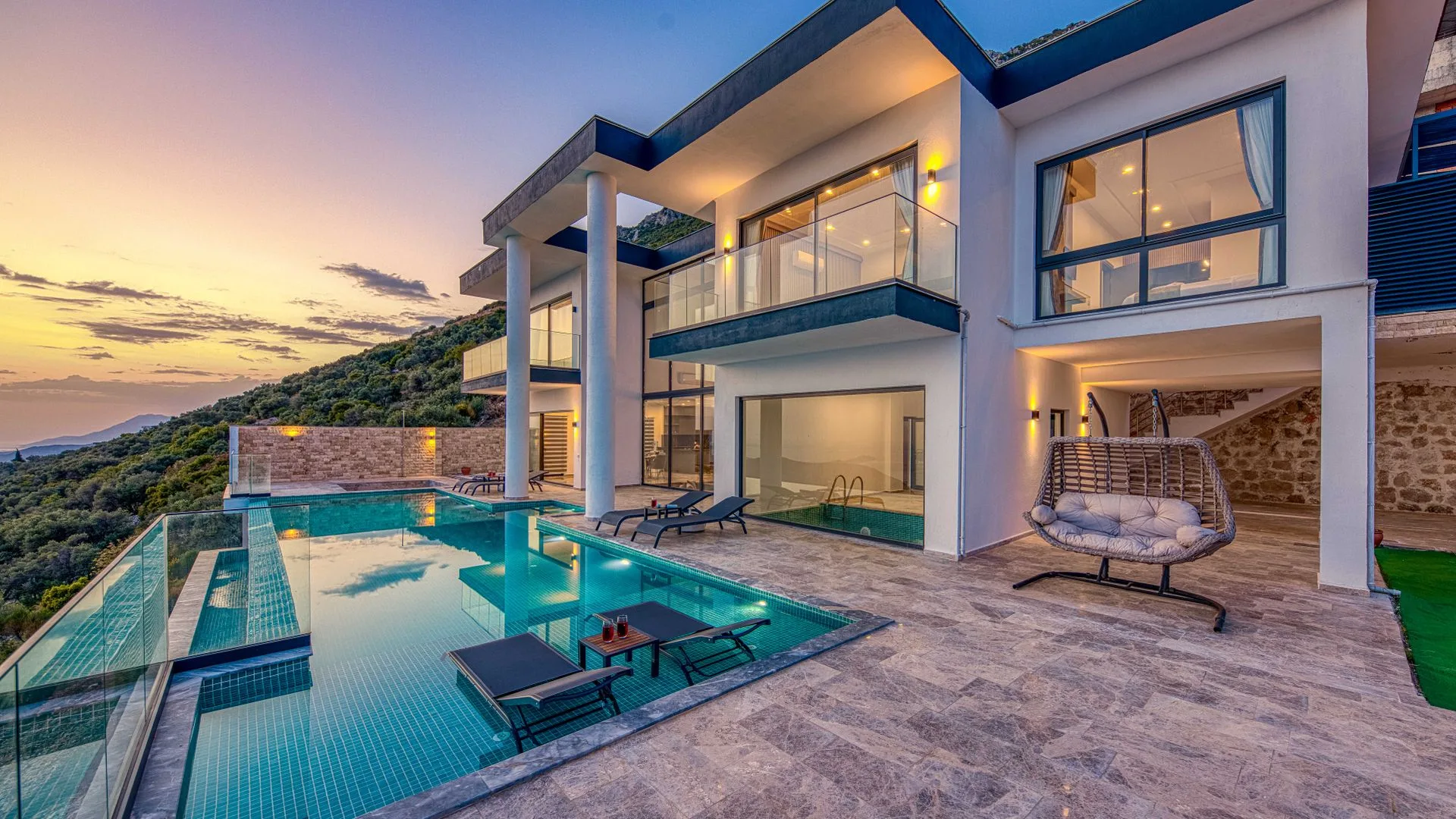
Aruba combines an established beach-and-restaurant coast with a dry, rocky interior rather than a rainforest landscape. The contrast matters when planning a holiday: you can spend time around the coastal entertainment areas, then explore limestone caves, boulder formations and neighbourhoods outside the hotel districts. Choosing accommodation around your interests is more useful than treating the whole island as one resort strip.
The climate is hot and semi-arid, with persistent easterly trade winds. The dry season runs roughly from February through June, while the wetter season generally extends from September to January. February to June is therefore a useful starting point for travellers prioritising dry weather, although rain and changing sea conditions remain possible throughout the year.
About Aruba
Geography and cultural identity
Aruba is a constituent country within the Kingdom of the Netherlands and has held its separate country status since 1986. Its geography brings together sandy western and southern shores, a rugged windward coastline and an interior of cacti, hills and exposed rock. Oranjestad is the capital.
Aruban culture reflects Indigenous heritage, including that of the Caquetio people, alongside European, African and wider Caribbean influences. Dutch and Papiamento are the official languages; English and Spanish are also widely spoken. Archaeological collections and surviving rock drawings provide a more substantial introduction to the island’s early inhabitants than the beach districts alone.
Understanding Aruba’s regions
Aruba’s regional names are useful for distinguishing beach areas from the larger districts containing them. Palm Beach belongs to Noord in the north, while Eagle Beach lies in Oranjestad West. The historic centre of the capital is in Oranjestad Oost. A property described simply as being in Noord or Oranjestad should therefore be checked on a map rather than assumed to stand beside a particular beach.
Paradera occupies the central northeastern part of the island and is associated with its boulder formations. Santa Cruz combines residential neighbourhoods with access to Arikok National Park. Savaneta lies along the southwestern coast. Farther southeast, San Nicolas Zuid contains the centre of San Nicolas and the southeastern beach area, while San Nicolas Noord includes outer neighbourhoods and part of the protected coastal landscape.
Things to do in and around Aruba
Choose beaches for different experiences
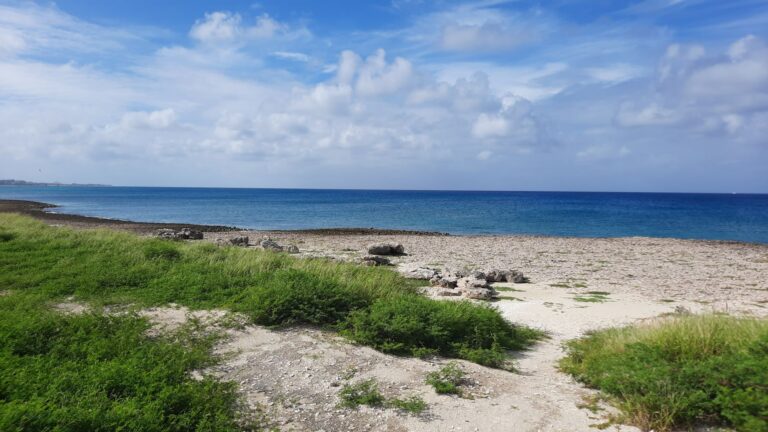
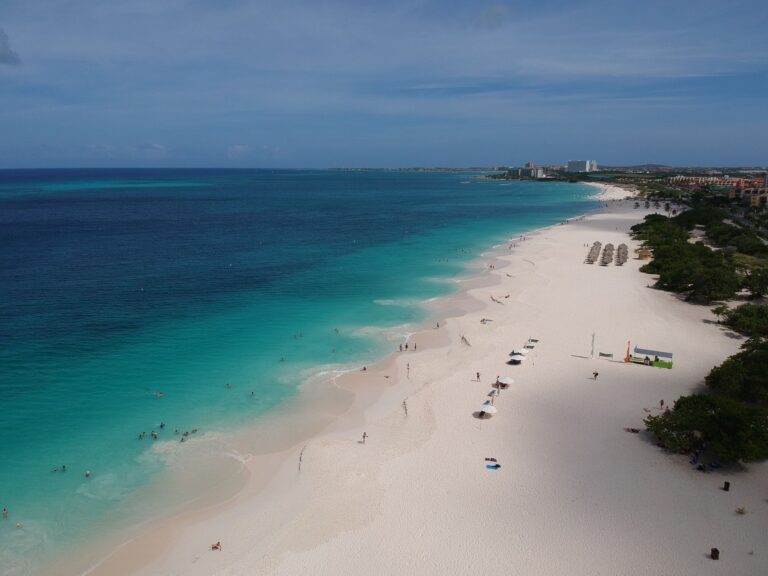
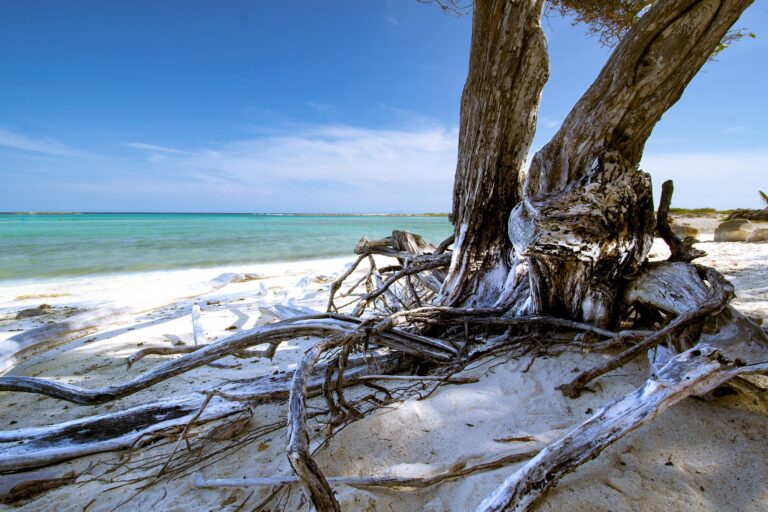
Palm Beach in Noord is the choice for combining swimming with watersports concessions, piers, restaurants and evening entertainment. Eagle Beach in Oranjestad West offers a broad stretch of white sand and the wind-shaped fofoti trees frequently pictured in photographs of Aruba. These are different beach settings, not interchangeable names for the same coastal area.
Baby Beach, in San Nicolas Zuid, has a shallow lagoon that attracts families and visitors who prefer wading. Stay within the marked snorkelling area and follow local warnings rather than treating the lagoon’s sheltered appearance as a guarantee of safe conditions. Mangel Halto, in Savaneta, offers a different shoreline experience, with mangroves, snorkelling and kayaking.
Explore caves and rock formations
Arikok National Park protects Aruba’s arid landscapes and includes walking routes, geological formations and caves. Fontein Cave contains Indigenous drawings, while Quadirikiri Cave is known for chambers illuminated through openings in the roof. A valid conservation pass is required to enter the park. Check access arrangements before travelling, stay on designated park roads and follow instructions protecting wildlife and heritage sites.
The Ayo Rock Formations and Casibari Rock Formations in Paradera provide another way to explore the island’s geology. Ayo also preserves Indigenous rock drawings. For outdoor visits, take drinking water, wear suitable shoes and plan around the heat rather than assuming a short outing requires little preparation.
Discover history and street art
Oranjestad brings together Aruba’s defensive history and archaeological heritage. Fort Zoutman dates from 1798, while the National Archaeological Museum Aruba occupies the restored Ecury family complex and holds material from the island’s Indigenous and historical periods. The museum adds context to the rock drawings encountered elsewhere on Aruba.
San Nicolas offers a different cultural stop, with large murals on and around its central streets. Works by local and international artists have developed through the Aruba Art Fair and related mural initiatives. Combine a walk through the town centre with a southeastern beach visit rather than making two separate journeys from the northern coast.
Try Aruban food beyond the hotel strip
Aruban food reflects the island’s history of migration and cultural exchange. Look for pastechi, savoury filled pastries, and keshi yena, a stuffed-cheese dish commonly made with seasoned meat. Savaneta is particularly associated with seafood dining by the water, making it a useful stop when exploring the southern coast.
Holiday rentals in Aruba
Travellers can look for apartments, private holiday homes, villas and beachfront accommodation in Aruba. An apartment may suit a couple planning frequent meals out, while families or groups can compare whole homes for their bedroom arrangements and shared living space. For self-catering stays, check the kitchen facilities rather than assuming every property offers the same equipment.
Location deserves as much attention as the accommodation type. Compare the actual route to the beach, restaurants and grocery shops, not just the district name. Check whether a beachfront description means direct shore access or a position across a road. If you plan to hire a car, confirm parking; for longer stays, ask about laundry facilities, cooling and any separately charged utilities.
Queen Beatrix International Airport (AUA) is Aruba’s international gateway. Arubus connects Oranjestad with the main hotel areas, while a hire car, taxis or organised excursions can support a wider itinerary. Match your transport plans to the property’s exact address. Explore the live holiday rental listings on this page for current availability, property details and booking conditions.
Who should stay in Aruba?
Aruba suits travellers who want a beach holiday with opportunities to explore beyond the coast. Couples can combine beach walks with restaurants, families can plan around shallow-water outings such as Baby Beach, and groups can compare whole-home accommodation for spending time together. Beach conditions still need to be assessed on the day, particularly when travelling with children.
Nature and culture travellers also have clear reasons to stay: Arikok National Park offers arid landscapes and caves, Paradera adds distinctive rock formations, and Oranjestad and San Nicolas provide contrasting historical and artistic experiences. A rental chosen around these interests can support a more varied trip than a beach-only itinerary.
Frequently asked questions
Where is Aruba?
Aruba is an island country in the southern Caribbean, north of Venezuela. It is a constituent country within the Kingdom of the Netherlands and has held separate country status since 1986. Oranjestad is the capital. Dutch and Papiamento are the official languages, while English and Spanish are widely spoken.
Is Aruba good for a holiday?
Yes. Aruba suits travellers seeking beaches, watersports and opportunities to explore a dry, rocky landscape rather than a rainforest interior. Its coastal hotel areas offer restaurants and entertainment, while Arikok National Park and the cultural attractions of Oranjestad and San Nicolas provide alternatives to beach days.
What is there to do in Aruba?
Aruba offers swimming and watersports, national park walks, cave visits, archaeological heritage and street art. Highlights include Indigenous drawings in Fontein Cave, the naturally illuminated chambers of Quadirikiri Cave, Fort Zoutman, the National Archaeological Museum Aruba and the murals of San Nicolas. The Ayo Rock Formations also preserve Indigenous drawings.
What accommodation is available in Aruba?
Aruba’s holiday accommodation includes apartments, private holiday homes, villas and beachfront condos. Compare each property’s exact location, bedroom layout, kitchen facilities and beach access. Current availability on Mitabon is shown in the live listings and depends on your dates and travel party.
When is the best time to visit Aruba?
February through June is a useful choice if relatively dry weather is your priority. Aruba has a hot, semi-arid climate with persistent easterly winds; its wetter season generally runs from September to January. Seasonal patterns do not guarantee the weather or sea conditions on particular days.
Which airport serves Aruba?
Queen Beatrix International Airport, with the airport code AUA, serves Aruba. It handles international arrivals, including nonstop and connecting journeys from the United States. Check your airline’s current routes and arrange onward transport to the exact address of your accommodation.
Do I need a rental car in Aruba?
A rental car is not essential for every Aruba holiday. Arubus connects downtown Oranjestad with the main hotel areas, which can suit a coast-focused stay. A car, taxis or organised excursions may be more practical for a wider itinerary. For Arikok National Park, check access arrangements and follow designated park roads.
What is the difference between Palm Beach and Eagle Beach?
Palm Beach is in Noord and is associated with high-rise hotels, watersports concessions, piers and evening entertainment. Eagle Beach is in Oranjestad West and is known for its broad white-sand shore, nearby low-rise hotels and photographed fofoti trees. Check a rental’s exact position rather than relying only on the beach name.
Is Aruba suitable for a family holiday?
Yes, Aruba offers family activities such as beach outings and visits to its archaeological museum. Baby Beach is particularly associated with shallow-water wading, but children still need supervision. Stay within the marked snorkelling area and follow local warnings; sheltered-looking water should not be treated as automatically safe.
What local food should I try in Aruba?
Try pastechi, savoury filled pastries, and keshi yena, a stuffed-cheese dish commonly prepared with seasoned meat. Aruban cooking reflects the island’s history of migration and cultural exchange. Savaneta is a useful stop for seafood dining by the water when exploring the southwestern coast.
Best areas nearby
Noord
Northern region of Aruba containing Palm Beach.
Best for: Combining beach activities with restaurants, watersports and evening entertainment around Palm Beach.
Oranjestad West
Region of Aruba containing Eagle Beach.
Best for: Travellers prioritising Eagle Beach’s broad sandy shore and its recognisable fofoti trees.
Oranjestad Oost
Region of Aruba containing the capital’s historic centre.
Best for: Exploring central Oranjestad, Fort Zoutman and the National Archaeological Museum Aruba.
Paradera
Central northeastern region of Aruba.
Best for: An inland itinerary featuring the Ayo Rock Formations and Casibari Rock Formations.
Santa Cruz
Central region of Aruba extending into Arikok National Park.
Best for: Planning national park visits alongside residential neighbourhoods, local shops and bakeries.
Savaneta
Region on Aruba’s southwestern coast.
Best for: Seafood dining and visits to Mangel Halto’s mangrove-fringed shoreline for snorkelling or kayaking.
San Nicolas Zuid
Southeastern region containing central San Nicolas and the Baby Beach area.
Best for: Combining the town’s street art with outings to the southeastern beaches.
Related destinations
 NoordExplore Noord and the Palm Beach area
 Oranjestad WestDiscover Oranjestad West and Eagle Beach
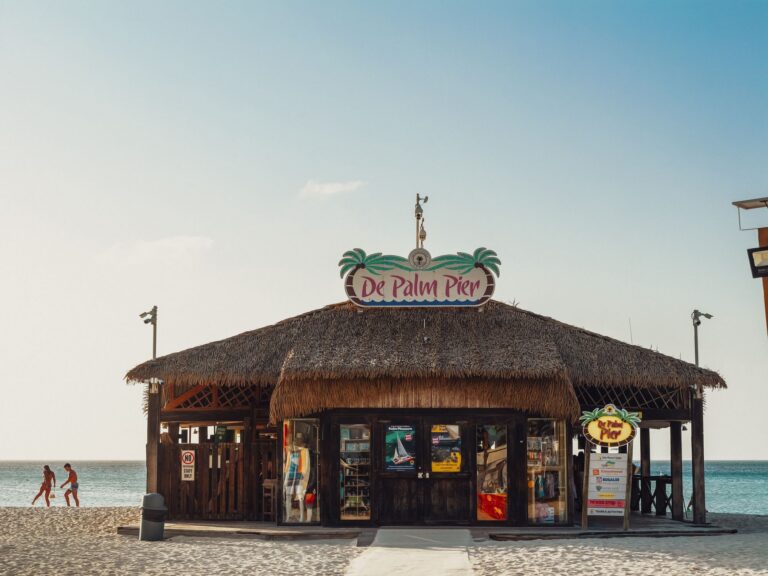 Oranjestad OostExplore historic Oranjestad Oost
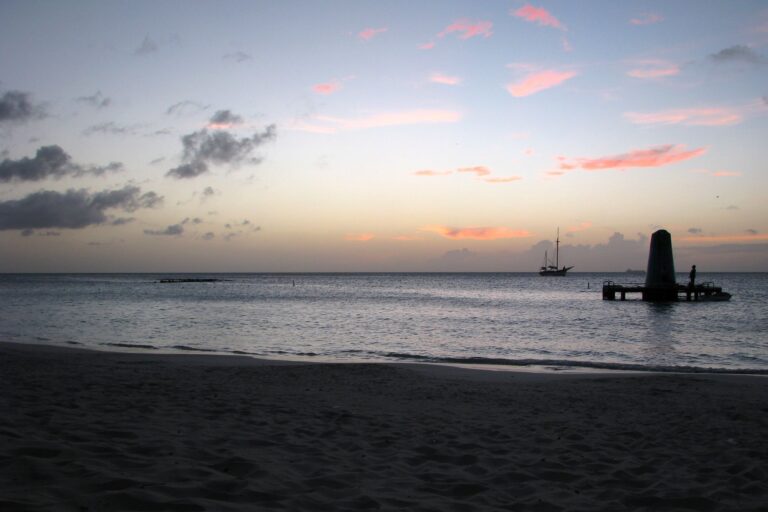 ParaderaDiscover Paradera’s rock formations
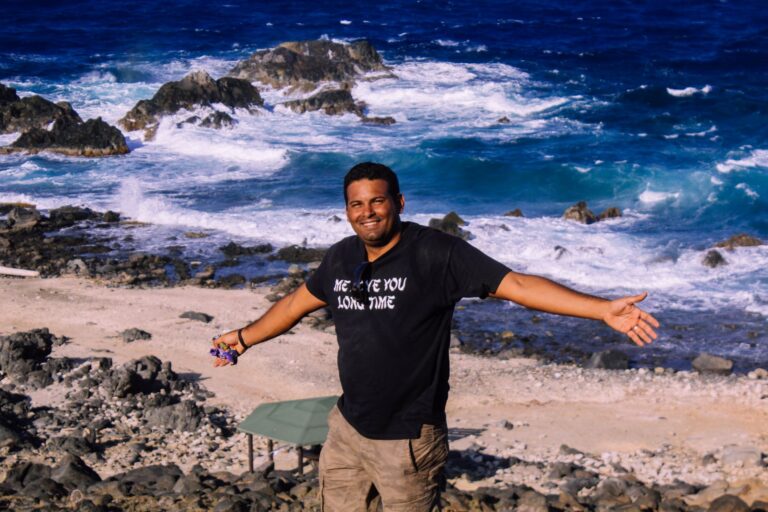 Santa CruzExplore Santa Cruz and access to Arikok
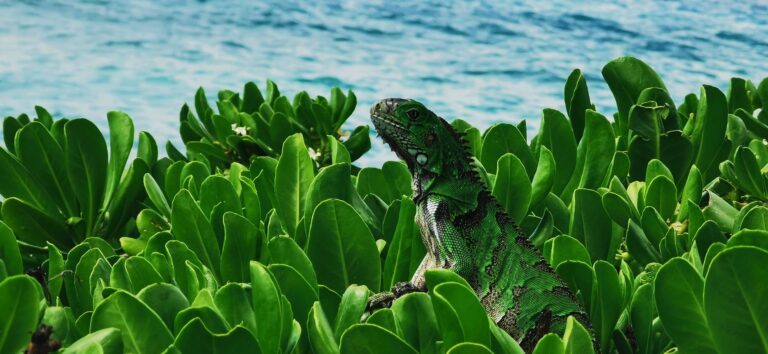 SavanetaDiscover Savaneta’s coast and seafood
 San Nicolas ZuidExplore San Nicolas Zuid and Baby Beach