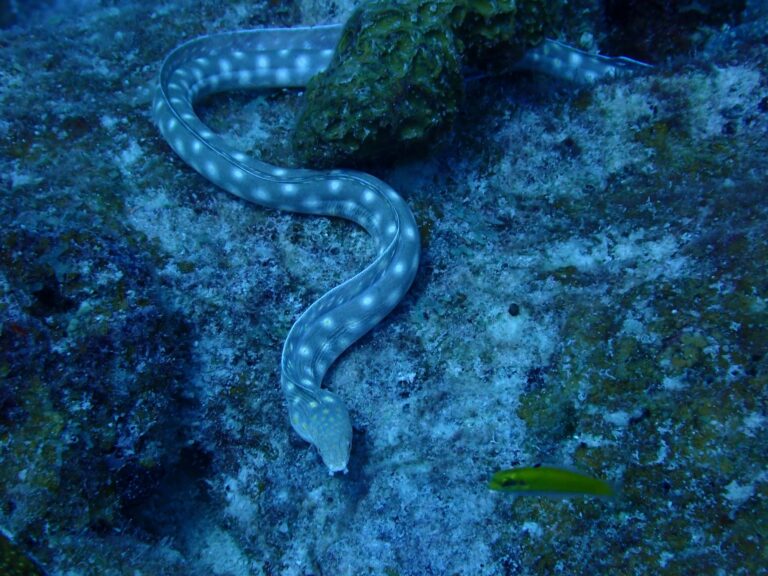
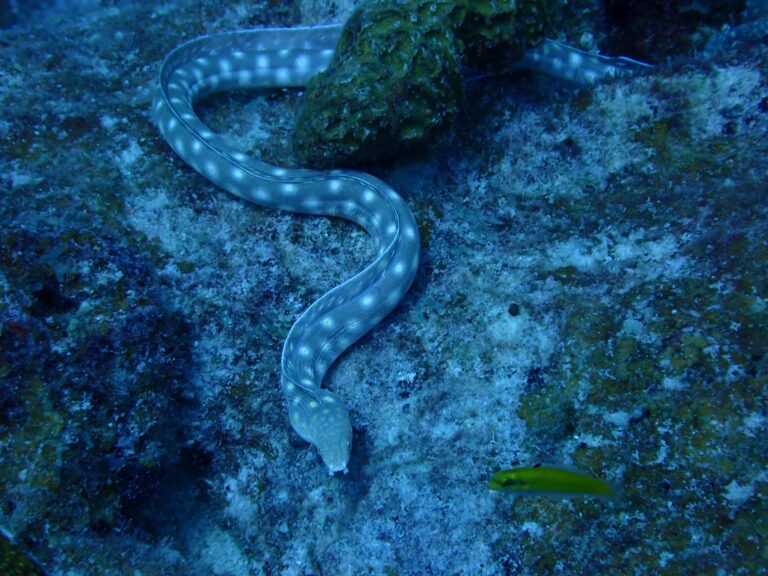
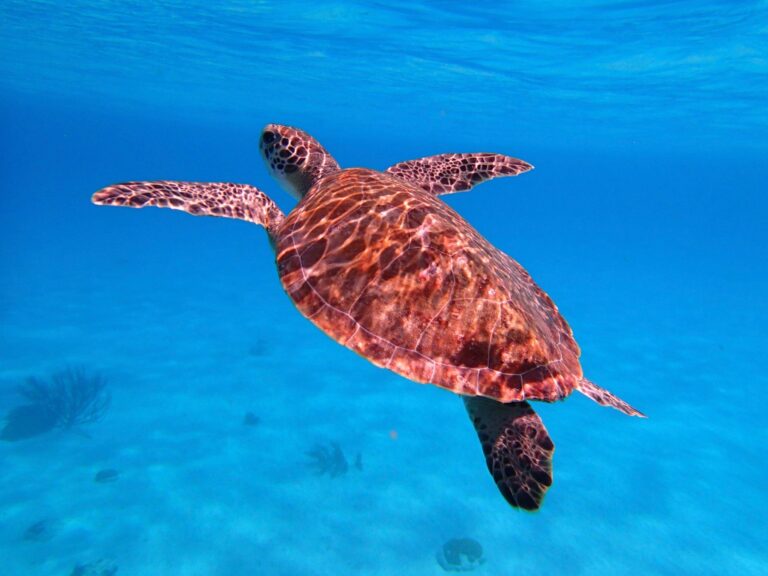
North Bonaire is the northern part of the island of Bonaire, where the northwestern shore-diving coast meets dry hills, saltwater wetlands and the countryside around Rincon. Travellers choose holiday rentals here for access to coastal sites such as 1000 Steps and Karpata, alongside inland excursions to Washington Slagbaai National Park. Compare private homes, villas and self-catering apartments if reefs and outdoor exploration matter more to your stay than being in central Kralendijk.
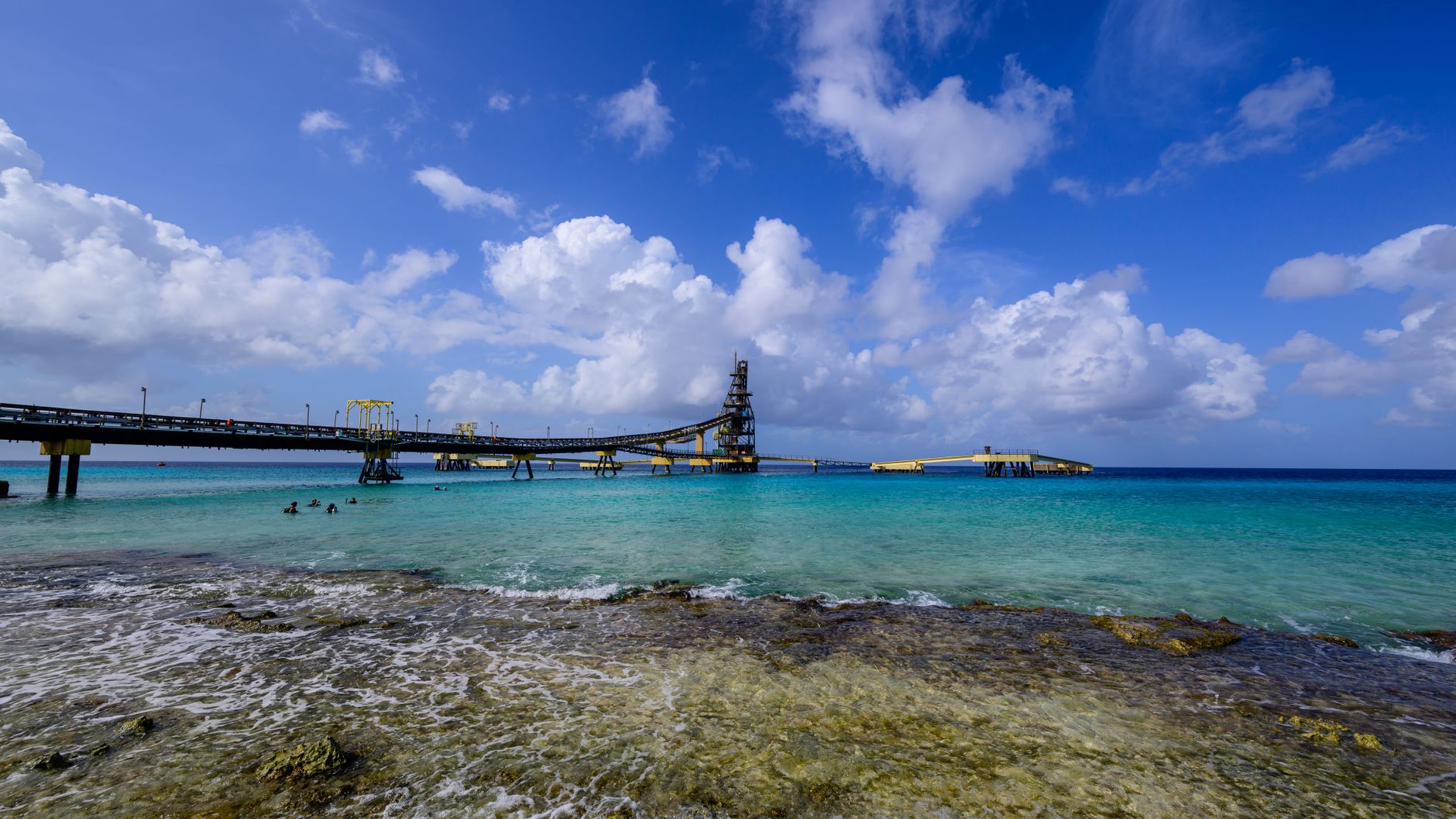
North Bonaire
Find your place
No destinations found.
Counting…
Adults
Children
We only show places with room for everyone.
Filters
Holiday rentals in North Bonaire, Bonaire
Good to know
More about North Bonaire
Why stay in North Bonaire?
North Bonaire suits holidays that combine time in the water with exploring the island by road. The northern coastal route connects limestone coves and shore-diving sites before turning inland towards Gotomeer and Rincon. This combination makes it possible to build an itinerary around both marine life and the island’s terrestrial landscapes, rather than spending every day at one beach.
The practical trade-off is transport. A rental car is useful for reaching different coastal sites, carrying equipment and organising inland excursions. Choose your accommodation around the journeys you expect to make regularly. If browsing shops and walking between town-centre restaurants are priorities, compare a northern stay with central Kralendijk.
About North Bonaire
The coast and northern interior
The drive north from Kralendijk passes through Hato and coastal Sabadeco before reaching the winding coastal road known as Queen’s Highway. Farther along this route are 1000 Steps and Karpata. Inland, Gotomeer is a saline lagoon near the southern edge of Washington Slagbaai National Park, while Rincon occupies a valley in the northern interior.
North Bonaire is a broad geographical description, not the name of a single town. Coastal accommodation, an inland village stay and an excursion into the national park offer different experiences, so an exact property location is more useful than the regional label alone.
Rincon and the plantation landscape
Rincon is Bonaire’s oldest settlement, founded during the Spanish period in 1527. Its cultural identity is closely connected with farming, fishing and the history of enslaved people who lived in the village. The surrounding countryside helps explain a side of northern Bonaire that is less apparent from its dive sites.
Washington Slagbaai National Park also preserves a landscape shaped by plantation history. Established in 1969, the protected area incorporates former plantation land. Its visitor centre provides historical and environmental context before visitors continue into the park.
Things to do in and around North Bonaire
Explore 1000 Steps and Karpata
1000 Steps is a limestone-framed cove reached by roughly 67 steps, despite its name. The beach combines sand with broken coral, and visitors come for snorkelling and diving rather than an uninterrupted sandy shoreline. Remember that everything carried down must come back up the staircase, including any dive equipment.
Karpata is a shore-diving site at the end of the coastal road’s one-way section. Its reef scenery attracts underwater photographers. Before entering the water at either location, discuss conditions and site suitability with a local dive operator. Check the applicable STINAPA Nature Fee requirements for the Bonaire National Marine Park, and follow guidance on equipment cleaning and avoiding contact with coral.
Spend a day in Washington Slagbaai National Park
Washington Slagbaai National Park occupies Bonaire’s northwest and offers hiking, birdwatching and drives through dry landscapes to coastal bays. The visitor centre and museum are useful starting points for understanding the park’s habitats and history. Treat this as a separate excursion rather than a quick extra stop on a coastal drive.
Vehicle choice matters on the park’s roads. STINAPA recommends high ground clearance, with admission depending on road conditions and ranger decisions. Confirm that your rental vehicle is suitable, check current opening arrangements and bring food and plenty of drinking water: there are no restaurants in the park. Heavy rain can affect access.
Watch birds at Gotomeer
Gotomeer is a saline lagoon where flamingos feed, making it a worthwhile birdwatching stop on a northern drive. Observe the water from the roadside viewing areas rather than entering the lagoon or approaching birds. Binoculars help you appreciate feeding behaviour without needing to get closer.
Discover Rincon’s heritage
Mangazina di Rei introduces visitors to Rincon’s heritage through its exhibition and cultural-park grounds. The exhibition also covers local flora, fauna and places of interest, giving useful context for exploring the northern interior. Combine a visit with time in Rincon itself rather than treating the village only as a route to the national park.
Holiday rentals in North Bonaire
Private holiday homes, villas and apartments are accommodation types to compare for a North Bonaire stay. A smaller self-catering property may suit a couple planning days out, while a multi-bedroom home can give friends or relatives shared living space. Check the actual bedroom layout, kitchen facilities and occupancy arrangements rather than judging suitability from the property type alone.
Check shoreline access separately from the sea view. If you want to swim from your accommodation, ask how the water is reached and whether there are steps or a rocky entry. Divers should confirm parking, equipment storage and any rinsing facilities; none should be assumed. Also ask the host to confirm that the property is permitted for holiday use, because Bonaire’s residential zoning restricts tourist accommodation in some locations.
Arrivals by air use Bonaire International Airport, also known as Flamingo Airport. Airport car hire provides one way to organise onward travel and northern excursions; a prearranged transfer is another option. Explore the live accommodation listings on this page for current availability, then compare each property’s map position with your planned activities.
Who should stay in North Bonaire?
North Bonaire is particularly worth considering for divers, snorkellers, birdwatchers and travellers interested in the island’s rural heritage. Its coastal sites, Gotomeer, Rincon and national park provide several different reasons to head north. Couples and groups who prefer a self-catering base can use those interests to guide their accommodation search.
Travellers with limited mobility should investigate access carefully, especially if 1000 Steps is a priority. For walking and park excursions, February to May generally offers a drier period than October to January, although rainfall varies. Choose central Kralendijk instead if town-centre shopping and dining are more important than a northern base.
Frequently asked questions
Where is North Bonaire?
North Bonaire is the northern part of the island of Bonaire. The broad travel region connects the northwestern coastal route with Gotomeer, the inland village of Rincon and Washington Slagbaai National Park. It describes a wider geographical area rather than one town.
Is North Bonaire good for a holiday?
Yes, North Bonaire is worth considering for a holiday focused on diving, snorkelling, birdwatching and inland exploration. Coastal sites such as Karpata complement the hiking and wildlife opportunities in Washington Slagbaai National Park. It is best approached with transport planned around your chosen activities.
What is there to do in North Bonaire?
North Bonaire offers snorkelling and diving at 1000 Steps, shore diving at Karpata, birdwatching at Gotomeer and hiking or wildlife excursions in Washington Slagbaai National Park. In Rincon, Mangazina di Rei has an exhibition explaining the village’s heritage, local nature and surrounding sights.
What accommodation is available in North Bonaire?
Private holiday homes, villas and apartment-style accommodation are types to look for in the northern accommodation search. Compare exact locations, bedroom arrangements and self-catering facilities, and use the live listings for current availability. Ask the host to confirm permitted holiday use, since residential zoning restricts tourist accommodation in some locations.
Do I need a rental car in North Bonaire?
A rental car is useful if you want to visit several northern sites independently or carry diving equipment. Taxis and organised excursions are alternatives. Part of the coastal road towards Karpata is one-way, so follow local signs rather than assuming you can return along the same road.
Which airport serves North Bonaire?
Bonaire International Airport, also known as Flamingo Airport, serves visitors travelling to North Bonaire. Continue to your accommodation by rental car or an arranged transfer. Car-rental agencies operate at the airport, allowing you to organise independent transport from arrival.
Does North Bonaire have sandy beaches?
North Bonaire has coves with sand, but a northern coastal stay should not be assumed to provide a broad sandy beach. At 1000 Steps, sand is mixed with broken coral and access involves roughly 67 limestone steps. Check the shoreline and water-entry arrangements of any accommodation separately from its sea view.
What should I know before visiting Washington Slagbaai National Park?
Plan a self-sufficient excursion with a suitable vehicle, food and plenty of drinking water. The northwestern park, established in 1969 on former plantation land, has a visitor centre and museum but no restaurants. STINAPA recommends high ground clearance; ranger decisions and road conditions determine vehicle admission, and heavy rain can affect access.
When is the best time to visit North Bonaire?
February to May is generally a drier choice for walking and outdoor excursions in North Bonaire. Rainfall is variable, with the wetter period generally running from October to January. Check conditions before a national-park visit because heavy rain can lead to closures or restricted road access.
What nature-protection rules apply when snorkelling or diving?
Check the applicable STINAPA Nature Fee requirements before entering the Bonaire National Marine Park. Avoid touching coral or disturbing marine life, and follow current equipment-disinfection guidance intended to limit the spread of coral disease. A local dive operator can explain site conditions and the procedures relevant to your visit.
Best areas nearby
Sabadeco
Coastal neighbourhood on the northern route from Kralendijk towards Queen’s Highway.
Best for: A coastal base from which to explore the northern shore-diving route; compare individual property access carefully.
Rincon
A distinct village in Bonaire’s northern interior, inland from the northwestern coastal sites.
Best for: Bonairean cultural history, including the island’s oldest settlement and the heritage exhibition at Mangazina di Rei.
Kralendijk
Bonaire’s capital and main port, south of the northern coastal excursion route.
Best for: Town-centre shopping around Kaya Grandi and access to central restaurants rather than a countryside-focused base.