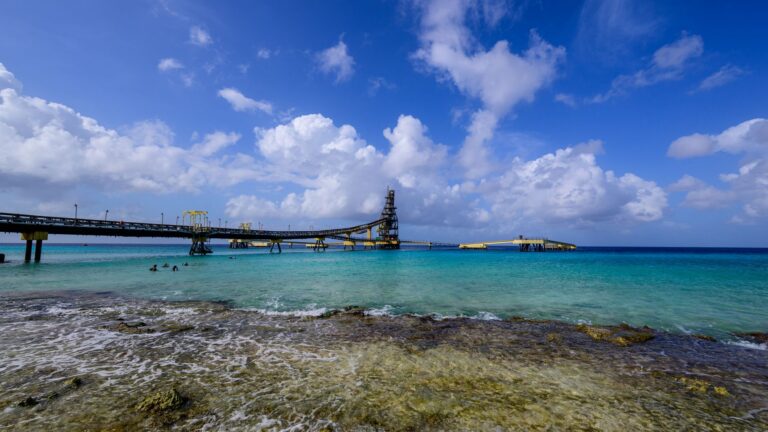
Holiday rentals in Bonaire provide a base for shore diving, windsurfing and exploring the dry landscapes of the southern Caribbean. Bonaire lies off Venezuela and belongs to the ABC islands alongside Aruba and Curaçao. Its particular draw is the combination of shore-accessible reefs and protected coastal habitats, rather than sandy beaches alone. Apartments and private villas let travellers build a stay around time in the water and independent island exploration.
Bonaire
Find your place
No destinations found.
Counting…
Adults
Children
We only show places with room for everyone.
Filters
Holiday rentals in Bonaire
Good to know
More about Bonaire
Why stay in Bonaire?
Bonaire suits travellers who want to make the sea part of their daily routine. Numerous dive sites can be entered from shore, while local operators offer introductory courses, guided dives and further training. This gives experienced divers flexibility and gives newcomers a structured way to discover the reefs. Accommodation location matters: consider the journey to your dive operator as carefully as the view from the terrace.
The island also offers contrasting settings for outdoor activities. Lac Bay supports windsurfing and mangrove excursions, while Washington Slagbaai National Park provides hiking and birdwatching in the northwest. A holiday need not follow a diving schedule to make use of Bonaire's coastal and inland landscapes.
About Bonaire
Geography and island identity
Bonaire is a Caribbean island and a special municipality of the Netherlands, not an independent country. It became a special municipality on October 10, 2010. Its Dutch constitutional relationship sits alongside a distinct Caribbean cultural identity; Papiamentu is the local language, and Dutch, English and Spanish are also spoken.
The island's principal places have different geographical roles. Kralendijk is the capital and main port. Belnem lies south of the airport, while Rincon is an inland settlement in the north. Lac Bay occupies the southeastern coast. North Bonaire describes a broader northern travel area rather than a separate municipality, with Washington Slagbaai National Park occupying the northwest.
History and cultural heritage
Rincon is Bonaire's oldest settlement and an important place for understanding the island beyond its waterfront. Its heritage includes farming, fishing and seafaring traditions, as well as the history of enslaved people who lived there. Mangazina di Rei introduces the heritage of Rincon through an exhibition and grounds that visitors can explore.
Arrival and seasonal planning
Bonaire International Airport is the island's arrival point for regional and international flights. Airport car rental and taxis provide onward transport. For an itinerary covering scattered beaches, the northern countryside and the south coast, arranging transport before arrival makes accommodation choices easier to assess.
Bonaire has a warm, relatively dry climate with persistent easterly trade winds. February through June is generally the drier period, while rainfall is more likely toward the end of the year and into January. Plan water activities around local wind and sea conditions, not just the likelihood of sunshine.
Things to do in and around Bonaire
Explore the reefs from shore or by boat
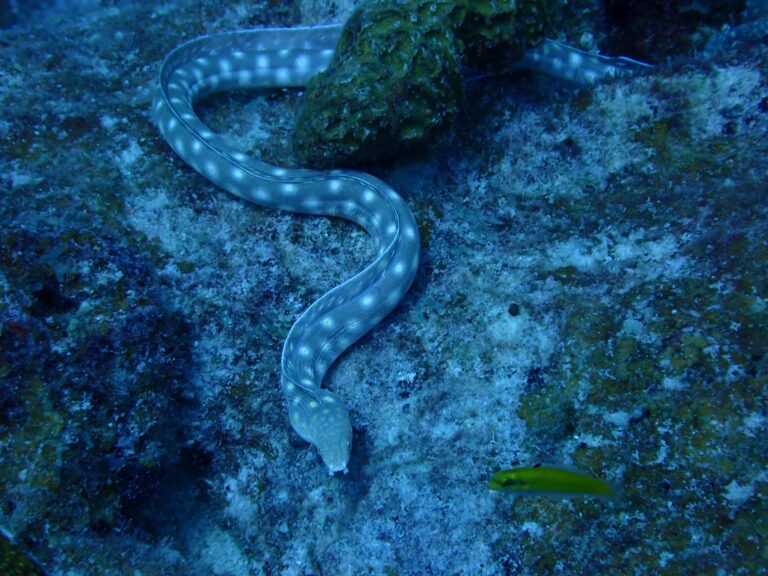
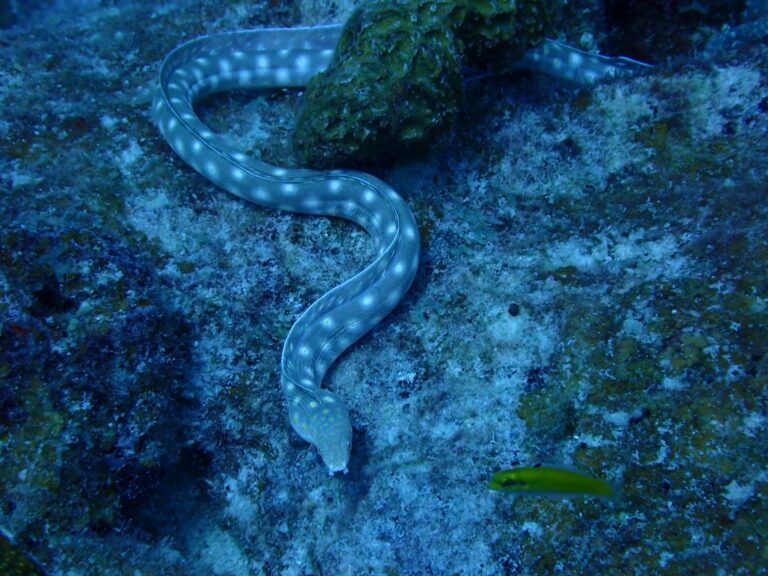
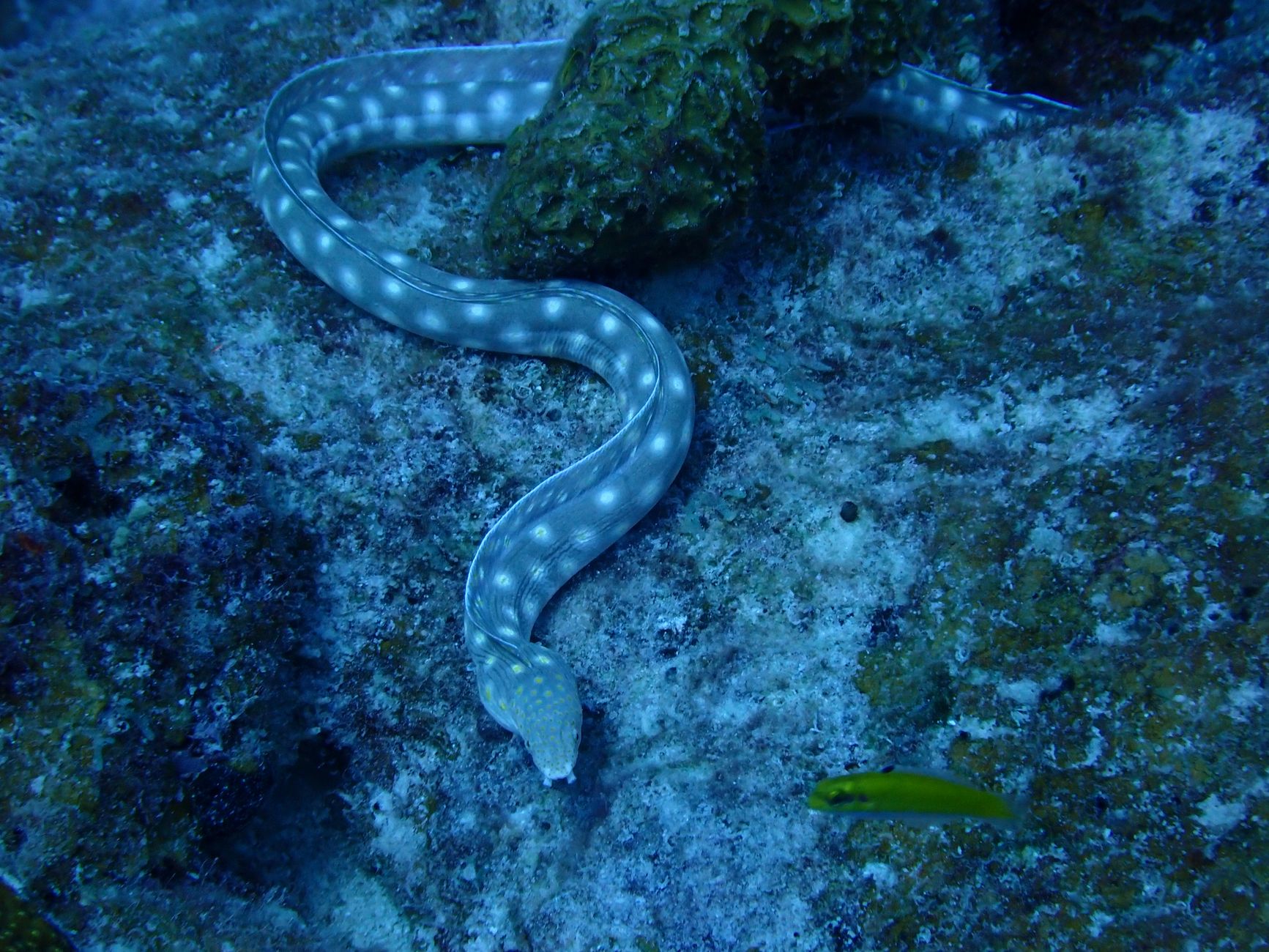
The Bonaire National Marine Park protects the waters around Bonaire and Klein Bonaire, including coral reefs, seagrass and mangroves. Named yellow stones identify shore dive sites, making them a distinctive feature of coastal journeys. Before entering the sea, check STINAPA's nature-fee requirements, site restrictions and equipment-disinfection guidance. Avoid touching coral and choose entries appropriate to your experience and the day's conditions.
Windsurf and discover mangroves at Lac Bay
Lac Bay is a shallow southeastern bay known for windsurfing, with sandy shoreline around Sorobon Beach. The bay also contains seagrass beds and mangroves that provide feeding and nursery habitat for marine life. A guided mangrove kayaking excursion offers a different perspective from a windsurfing session; treat the bay as a protected ecosystem rather than unrestricted open water.
Take a boat trip to Klein Bonaire
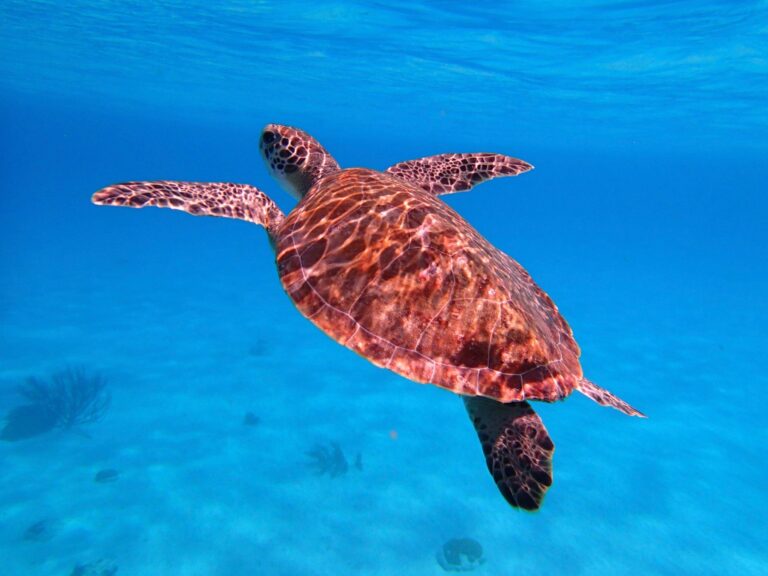
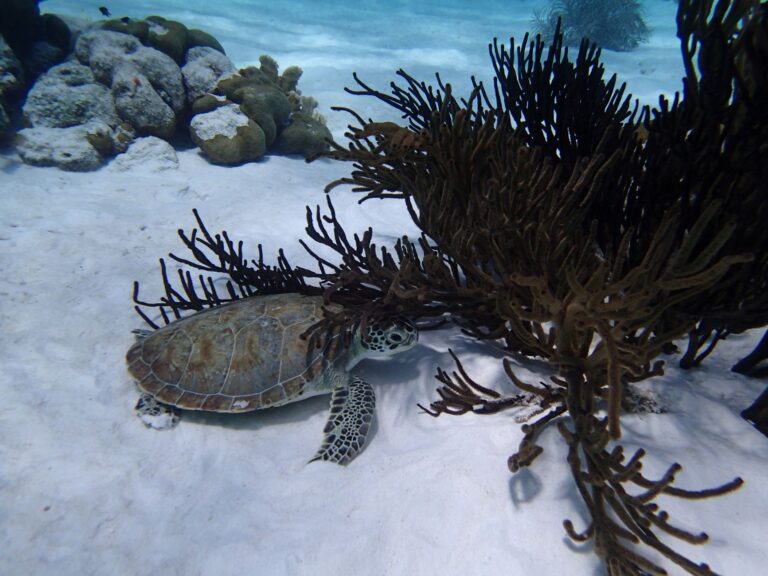
Klein Bonaire is an uninhabited island off Bonaire's western coast, visited for its beaches and surrounding reefs. Passenger boat services make a day visit possible without changing accommodation. Arrange your return journey and bring drinking water: the island has no running water or sanitation facilities. Its beaches are also sea-turtle nesting habitat, so leave wildlife and nesting areas undisturbed.
Hike and watch birds in North Bonaire
Washington Slagbaai National Park protects a substantial northwestern landscape of hills, bays and wildlife habitat. Visitors can follow hiking trails or explore designated driving routes, with opportunities to observe flamingos, parrots and other birds. Check opening arrangements and vehicle requirements before setting out, particularly after heavy rain. Bring your own food and water because the park has no restaurants.
Visit Kralendijk and the southern salt-working heritage
Kralendijk's centre combines Caribbean architecture with shops along Kaya Grandi. It is a useful place to spend time between outdoor excursions rather than simply passing through the port. For a different historical perspective, visit the preserved slave huts in southern Bonaire. Built in 1850, they housed enslaved people forced to work in salt production; the nearby obelisks helped guide ships coming to load salt.
Try Bonaire's local cooking
Bonaire's food includes fish dishes, goat stews and soups, alongside international cooking shaped by Caribbean, European and other influences. Look beyond familiar restaurant dishes to explore these island traditions. Local ingredients include soursop and the small cherry known as shimaruku, although individual menus and seasonal ingredients vary.
Holiday rentals in Bonaire
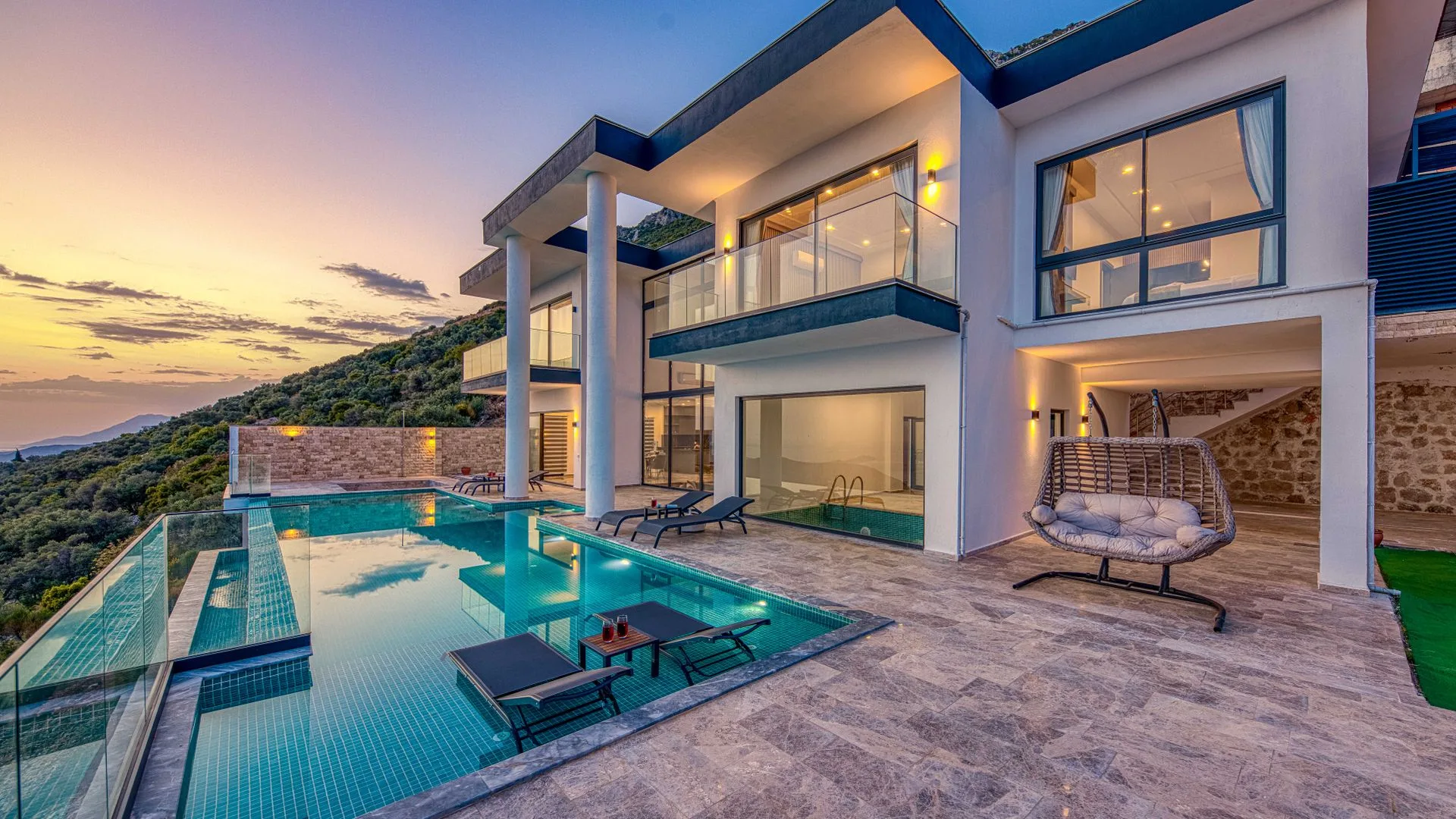
Bonaire's accommodation includes apartments, private villas and holiday homes, giving travellers alternatives to a hotel-based stay. An apartment may suit a couple organising days around activities, while a larger home can be worth comparing for friends or relatives travelling together. Assess the actual bedroom layout, cooking facilities and shared spaces rather than relying on the property category alone.
Choose your location around the journeys you expect to repeat. Compare Kralendijk for access to the town centre, Belnem for a southern base near Bachelor's Beach, and Lac Bay when windsurfing is the priority. Rincon offers a different setting focused on inland heritage. For northern exploration, check the property's exact position rather than assuming that every address described as North Bonaire has the same access to the national park.
For waterfront accommodation, establish whether the property has a sandy beach, steps into the sea or simply an ocean view. Bonaire's shores include both sand and coarse coral material, and Bachelor's Beach itself is reached by steps below a low cliff. Divers should ask about equipment storage and rinsing arrangements; families and groups should check pool access, stairs and sleeping arrangements individually. Explore the live holiday rental listings on this page for current availability and property-specific details.
Who should stay in Bonaire?
Bonaire is particularly well matched to divers, windsurfers and travellers interested in coastal ecology. Shore-accessible dive sites support repeat diving days, Lac Bay gives windsurfers a dedicated destination, and protected habitats offer reasons to explore with a nature guide. Couples or friends sharing these interests can choose accommodation around a common activity rather than a resort programme.
Families with children interested in marine activities can also consider Bonaire, provided they check individual operators' age and skill requirements. Some dive operators offer children's introductory programmes. Travellers who prefer to remain on land can combine Rincon's heritage, Kralendijk's centre and national-park walks, making a mixed-interest holiday possible without everyone taking part in the same water sport.
Frequently asked questions
Where is Bonaire?
Bonaire is in the southern Caribbean, off the coast of Venezuela. It forms part of the ABC islands with Aruba and Curaçao. Bonaire is a special municipality of the Netherlands rather than an independent country.
Is Bonaire good for a holiday?
Yes, Bonaire is especially suited to holidays built around diving, windsurfing and nature. Shore-accessible dive sites, Lac Bay's watersports and protected landscapes give travellers specific reasons to choose it. Its coastline includes sand and coarse coral material, so check individual beaches if sand is your priority.
What is there to do in Bonaire?
Bonaire offers shore and boat diving, windsurfing at Lac Bay, mangrove excursions and hiking in Washington Slagbaai National Park. Other options include a boat trip to Klein Bonaire, exploring Kralendijk and visiting the heritage exhibition at Mangazina di Rei.
What accommodation is available in Bonaire?
Bonaire's accommodation includes apartments, private villas and holiday homes, alongside hotels and resorts. For a self-catering stay, compare kitchen facilities, bedroom layouts and the property's exact location. The live listings on this page show current rental availability and individual property details.
When is the best time to visit Bonaire?
February through June is generally a good period to consider if drier weather is your priority. Bonaire remains warm throughout the year, with more rainfall toward the end of the year and into January. Check local wind and sea conditions when planning water activities.
How do you get to Bonaire?
Travellers fly into Bonaire International Airport, which receives regional and international services. Direct and connecting options depend on your departure point and travel dates. Car rental and a taxi stand are available at the airport for onward journeys.
Do you need a rental car in Bonaire?
A rental car is useful if you want to explore independently, but taxis and organised excursions are alternatives. Public transportation is limited. If your plans include Washington Slagbaai National Park, confirm current vehicle requirements before renting rather than assuming every car will be admitted.
Which part of Bonaire should I choose for a stay?
Choose around your main activity: Kralendijk for the town centre, Belnem for a southern base near Bachelor's Beach, or Lac Bay for windsurfing. Rincon is relevant for inland heritage, while North Bonaire is worth investigating for northern excursions. Check each property's exact location before booking.
Does Bonaire have sandy beaches?
Yes, Bonaire has sandy beaches, although other shores contain coarse coral and shell material. Bachelor's Beach in Belnem has sand below a low cliff and is reached by steps. Klein Bonaire also has sandy beaches, but visitors should plan for the absence of running water and sanitation facilities.
Can you enjoy Bonaire without scuba diving?
Yes, a Bonaire holiday can focus on windsurfing, mangrove excursions, birdwatching, hiking and cultural visits instead. Lac Bay, Washington Slagbaai National Park and Mangazina di Rei offer different ways to explore the island without scuba equipment. Kralendijk adds town-centre shopping and architecture.
Best areas nearby
Kralendijk
Bonaire's capital and main port.
Best for: Exploring the town centre, Caribbean architecture and shops along Kaya Grandi.
Belnem
A district in southern Bonaire, south of the airport.
Best for: A southern base near Bachelor's Beach, whose sandy shoreline is reached by steps.
Rincon
Bonaire's oldest settlement, in the northern interior.
Best for: Discovering island heritage through Mangazina di Rei and the settlement's cultural traditions.
Lac Bay
A shallow bay on Bonaire's southeastern coast.
Best for: Windsurfing and guided exploration of mangrove and seagrass habitats.
North Bonaire
The northern part of the island, with Washington Slagbaai National Park in the northwest.
Best for: Planning national-park hiking, birdwatching and landscape excursions.